Curriculum
48 related courses were offered in the 2024–25 academic year.
Policies
Aligned with its commitment to achieving carbon neutrality, CUHK has instituted measures to facilitate energy-efficient practices. Through the implementation of the Energy Efficiency and Conservation Policy and Guidelines, the University informs its community members about the necessary standards and encourages habits that support energy efficiency and conservation. Routine assessments of operations and protocols are carried out to pinpoint and rectify instances of energy wastage. CUHK aims to raise awareness of the importance of energy conservation among staff and students by setting a good example of energy conservation education and management.
Teaching and learning
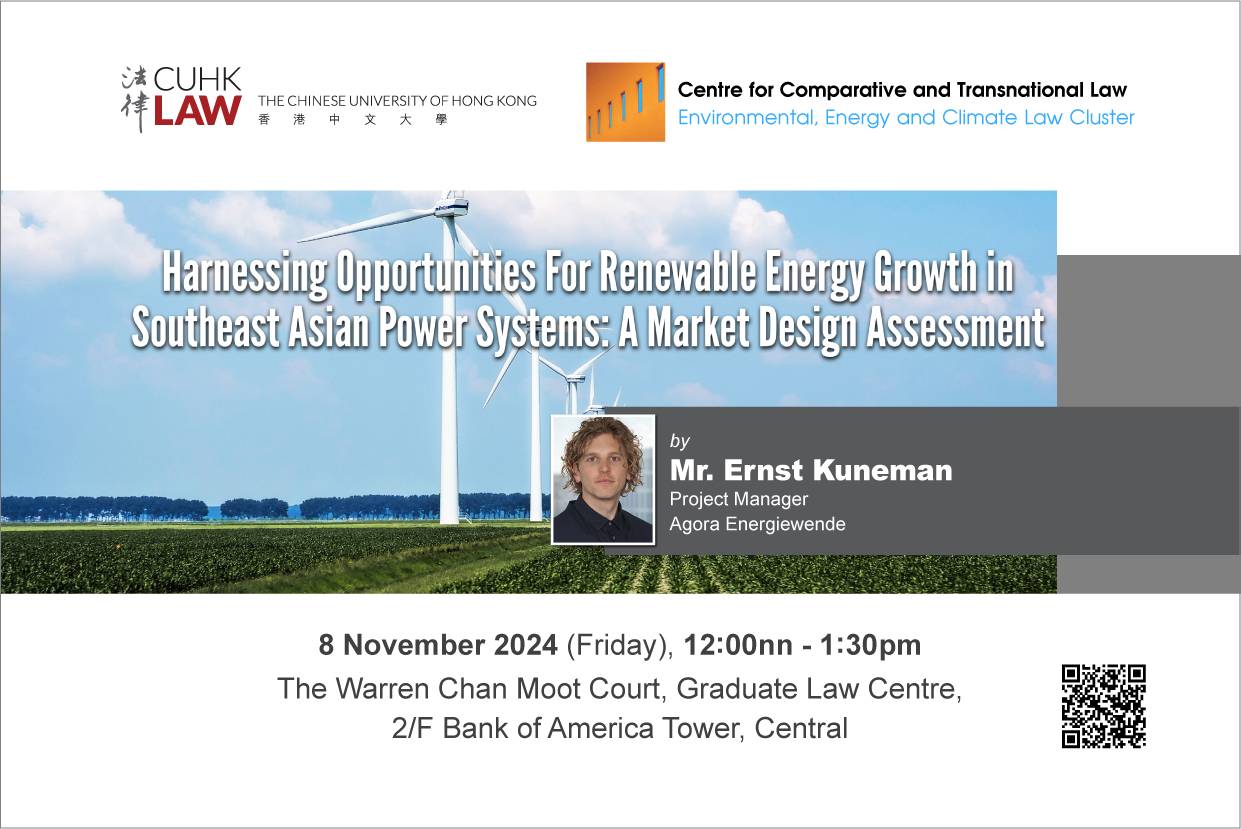
The seminar entitled ‘Harnessing Opportunities for Renewable Energy Growth in Southeast Asian Power Systems: A Market Design Assessment’ was given by Mr Ernst Kuneman from Agora Energiewende in November 2024. The seminar explored the transformative potential of solar and wind energy in Southeast Asia. Mr. Kuneman emphasized the need for a reform of the electricity market to unlock investment certainty, enhance system flexibility, and enable a system-friendly phase-out of coal.
Community engagement
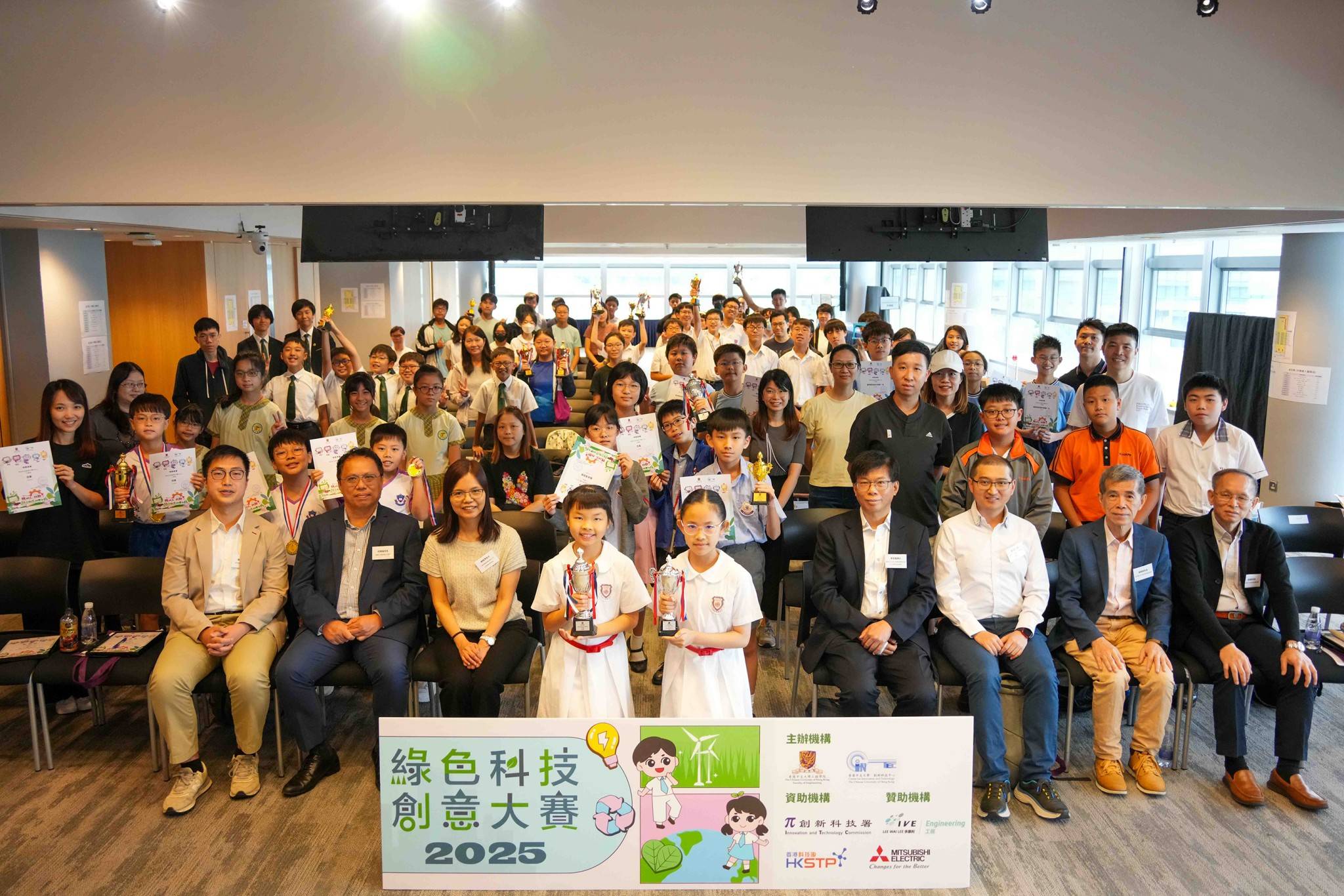
The Centre for Innovation and Technology (CINTEC) at the Faculty of Engineering hosted the sixth Green Innovation Competition, whose final and award ceremony were held in June 2025. The competition, on the theme ‘Clean Energy Society’, attracted 76 teams from local primary and secondary schools. It encouraged students to apply their STEAM (science, technology, engineering, the arts and mathematics) knowledge to develop innovative solutions that addressed environmental challenges. The event aimed to cultivate students’ technological creativity and environmental awareness, and to nurture green-minded tech talent to drive sustainable development in Hong Kong.
Research
Professor Chen Lian Kuan led a project entitled ‘On the Optimization of Simultaneous Energy Harvesting and Photovoltaic Visible Light Communication by Time- and Spatial-division Multiplexing to Assist Disaster Area Recovery’. The study aims to enhance disaster recovery efforts by optimizing the dual functionality of photovoltaic systems to harvest energy while simultaneously enabling visible light communication. By employing time- and spatial-division multiplexing techniques, the Project seeks to improve the efficiency and effectiveness of communication and energy supply in disaster-stricken areas, ultimately contributing to more resilient recovery strategies. This dual functionality aligns with CUHK’s support for the development of sustainable energy solutions.
Adopting renewable green energy
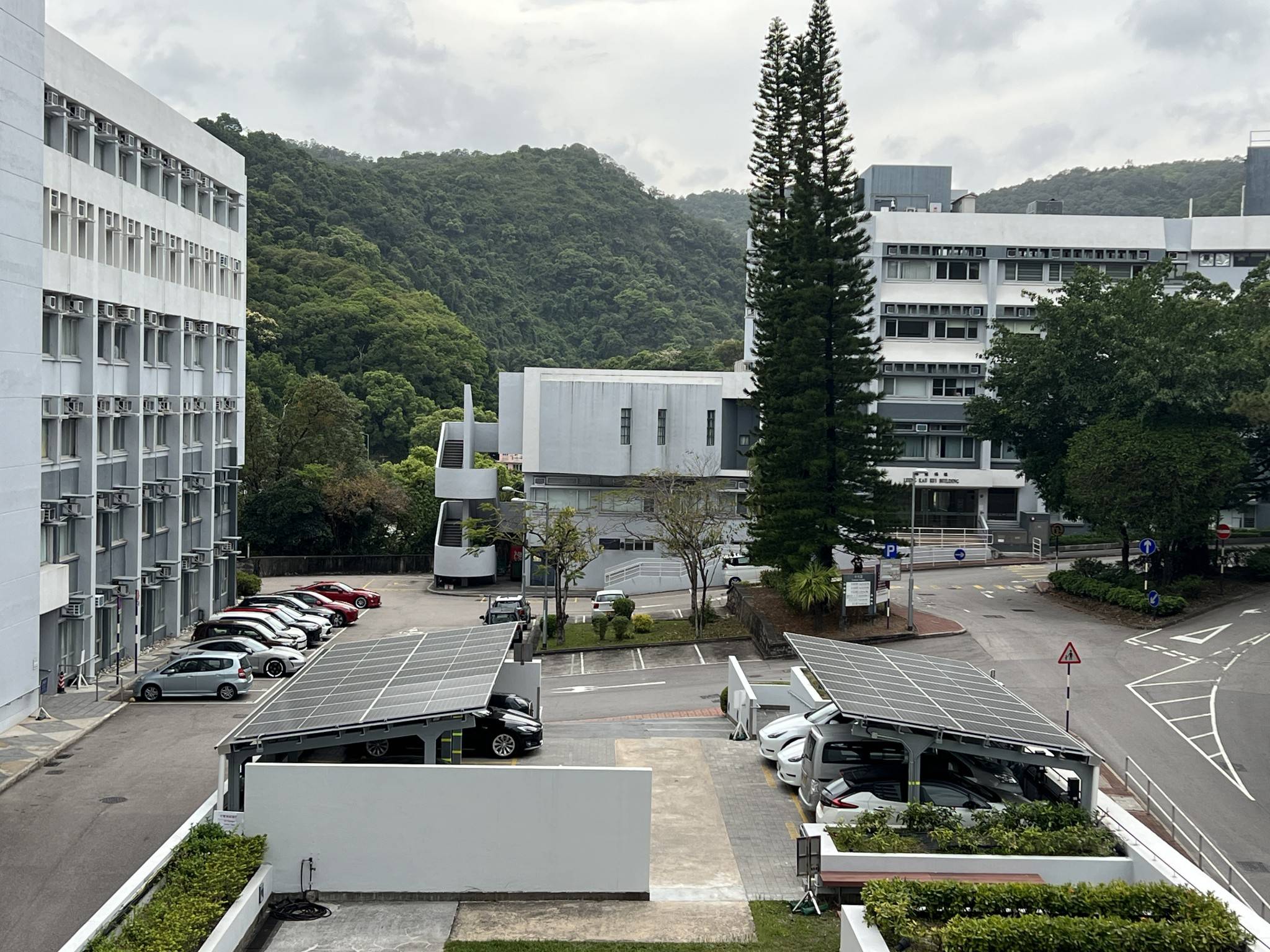
CUHK launched the ‘Solar on Campus’ initiative in 2021 to maximize the utilization of renewable energy by installing additional solar PV systems on the roofs of campus buildings. By August 2025, these systems had been installed inaround 80 buildings. CUHK has also joined the Feed-in Tariff (FiT) Scheme, allowing it to sell the renewable energy produced by the solar PV systems to the power company. The income generated from the FiT Scheme will be used to finance the development and implementation of new sustainability initiatives.
In parallel, CUHK is enhancing green mobility infrastructure through the Green Mobility for Blue Sky initiative. In April 2025, the University opened its first EV charging station with solar canopy at the Lee Shau Kee Building. Currently, there are around 100 EV charging stations installed across campus, and more are due to be added.
Upgrading buildings to higher energy efficiency
CUHK introduced the Energy Efficiency Implementation Fund in 2020 to incentivize university units to improve the energy efficiency of campus infrastructure and provide support services. As of September 2025, the fund has supported 59 projects from 52 units, resulting in an estimated annual saving of HK$683,040 (569,200kWh) in electricity bills. The funded projects included installation of LED fixtures, energy efficient air conditioner units, mosquito nets, curtain blinds and solar window films, all of which help to conserve energy.
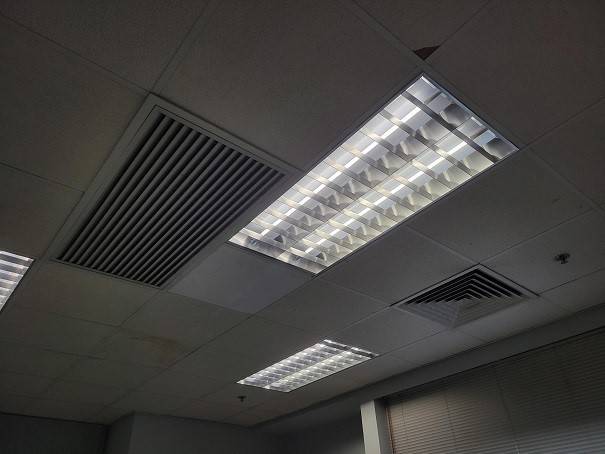
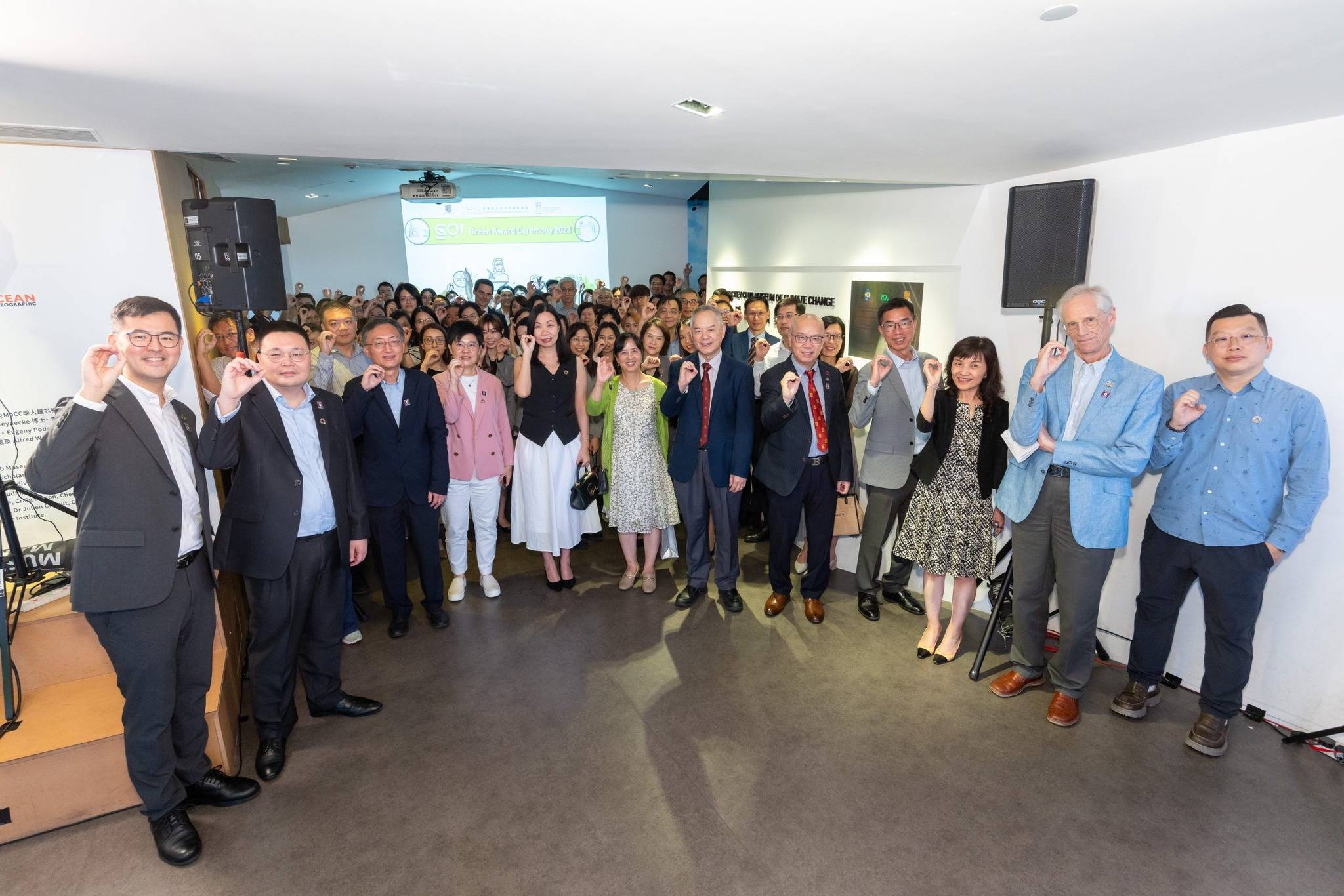
The Energy Conservation Incentive Scheme for Student Hostels (ECIS-SH), launched in September 2023, aims to foster energy conservation awareness among hostel residents. Since the launch of the scheme, EMO has conducted walkthrough inspections in 44 hostel buildings to identify energy-saving opportunities. These efforts resulted in a total reduction of approximately 165,500 kWh in electricity consumption within the hostels. This reduction saved enough electricity to sustain fifty Hong Kong households for a year, based on the average monthly household electricity consumption of 275 kWh. ECIS-SH 2025 commenced in September 2025. To further promote energy conservation, a seminar on responsible consumption of energy for student residents was held in October 2025.
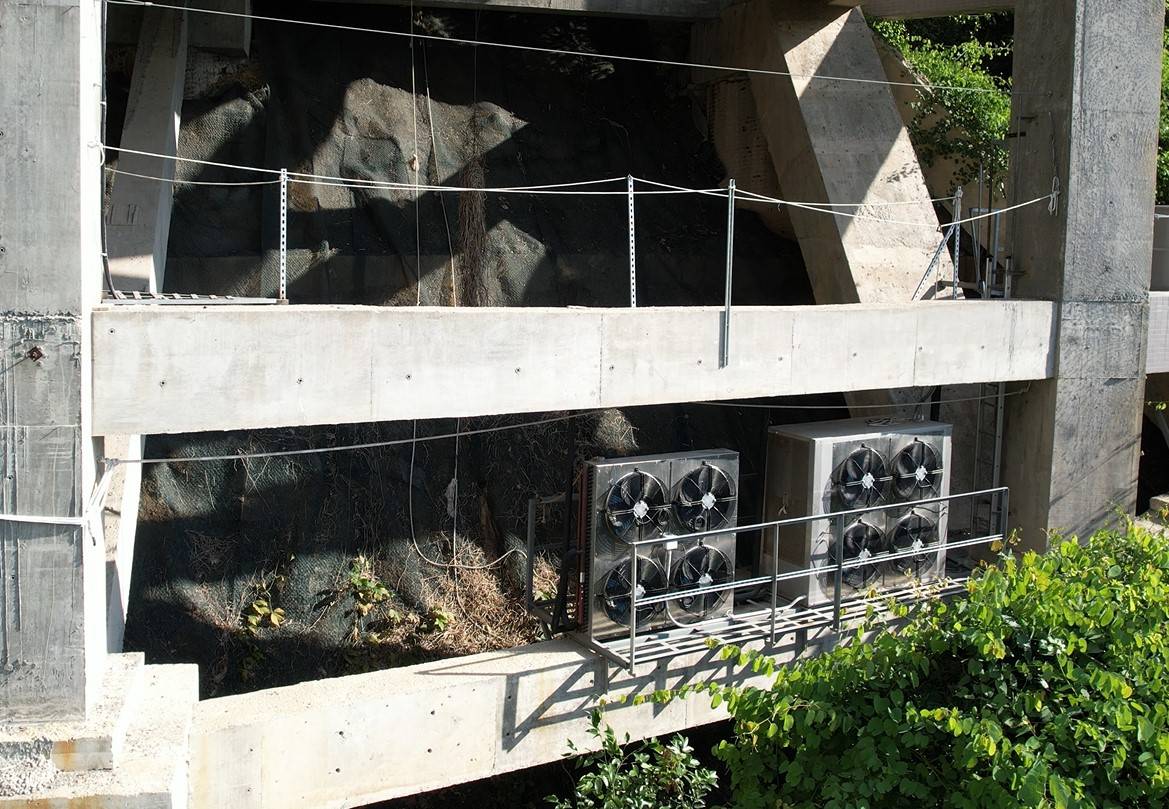
CUHK’s Lee Woo Sing College has implemented a new mixed air-conditioning mode that combines traditional variable refrigerant volume (VRV) systems with a novel fresh air unit (FAU) which can achieve a reduction as high as 67% in electricity consumption in its Dining Hall. By treating incoming air at ground level to lower humidity and circulating it, the system maintains comfort even at ambient temperatures of around 27°C. This innovation allows the traditional air-conditioning to be set at higher temperatures or turned off during off-peak hours, resulting in an average annual energy saving of 30%. The college has already expanded this mixed air conditioning mode to other locations, and is exploring the feasibility of a further expansion. The success of this model not only enhances campus comfort but also sets a new benchmark for sustainable building management in Hong Kong’s academic institutions.
Recognition
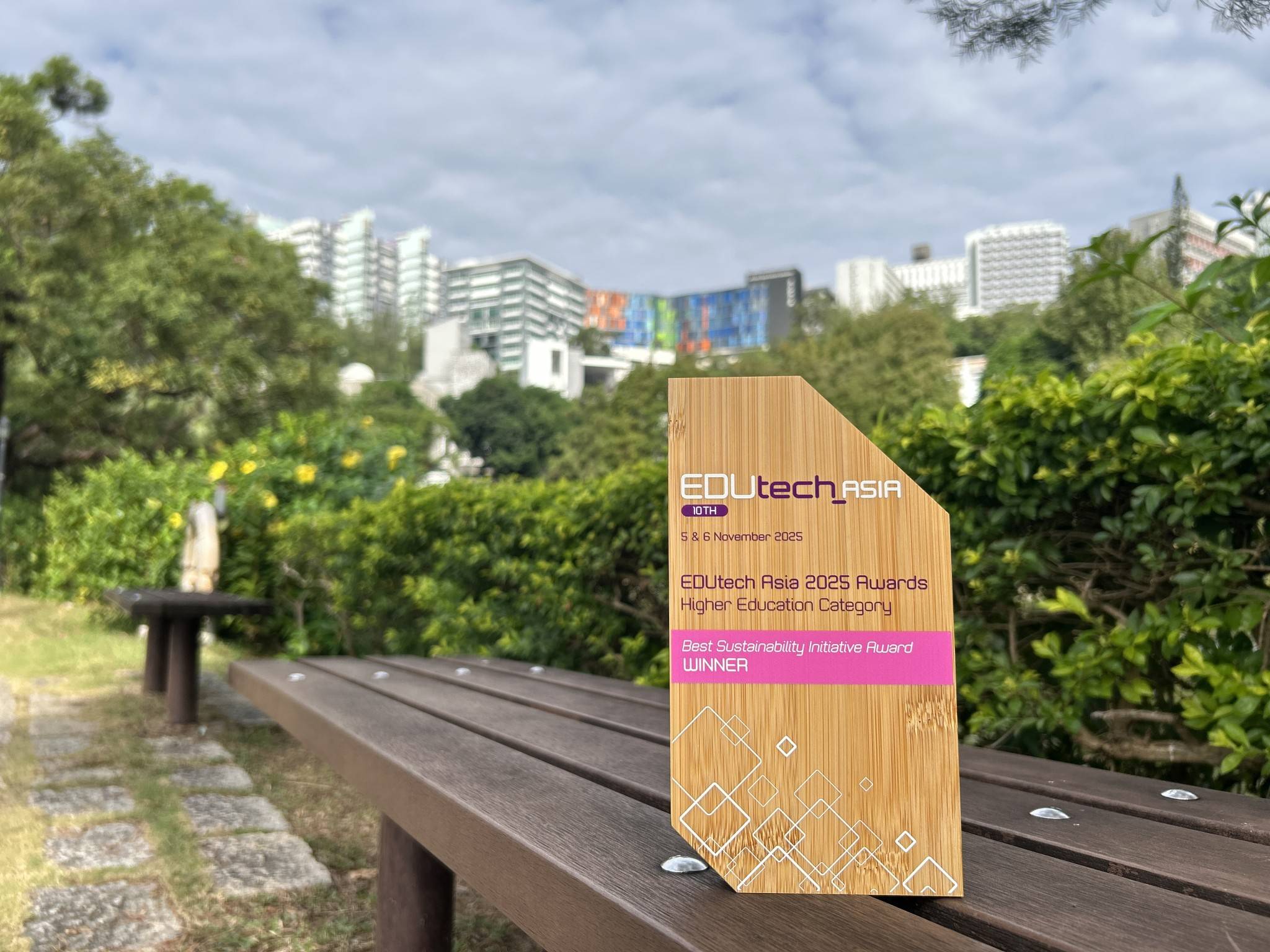
CUHK’s energy conservation and renewable energy initiative was awarded the ‘Best Sustainability Initiative Award (Higher Education)’ at the EDUtech Asia 2025, held in November 2025 in Singapore. This award recognizes the University’s leadership in advancing clean energy and carbon neutrality through initiatives such as the ‘Solar on Campus’ and ‘Green Mobility for Blue Sky’.