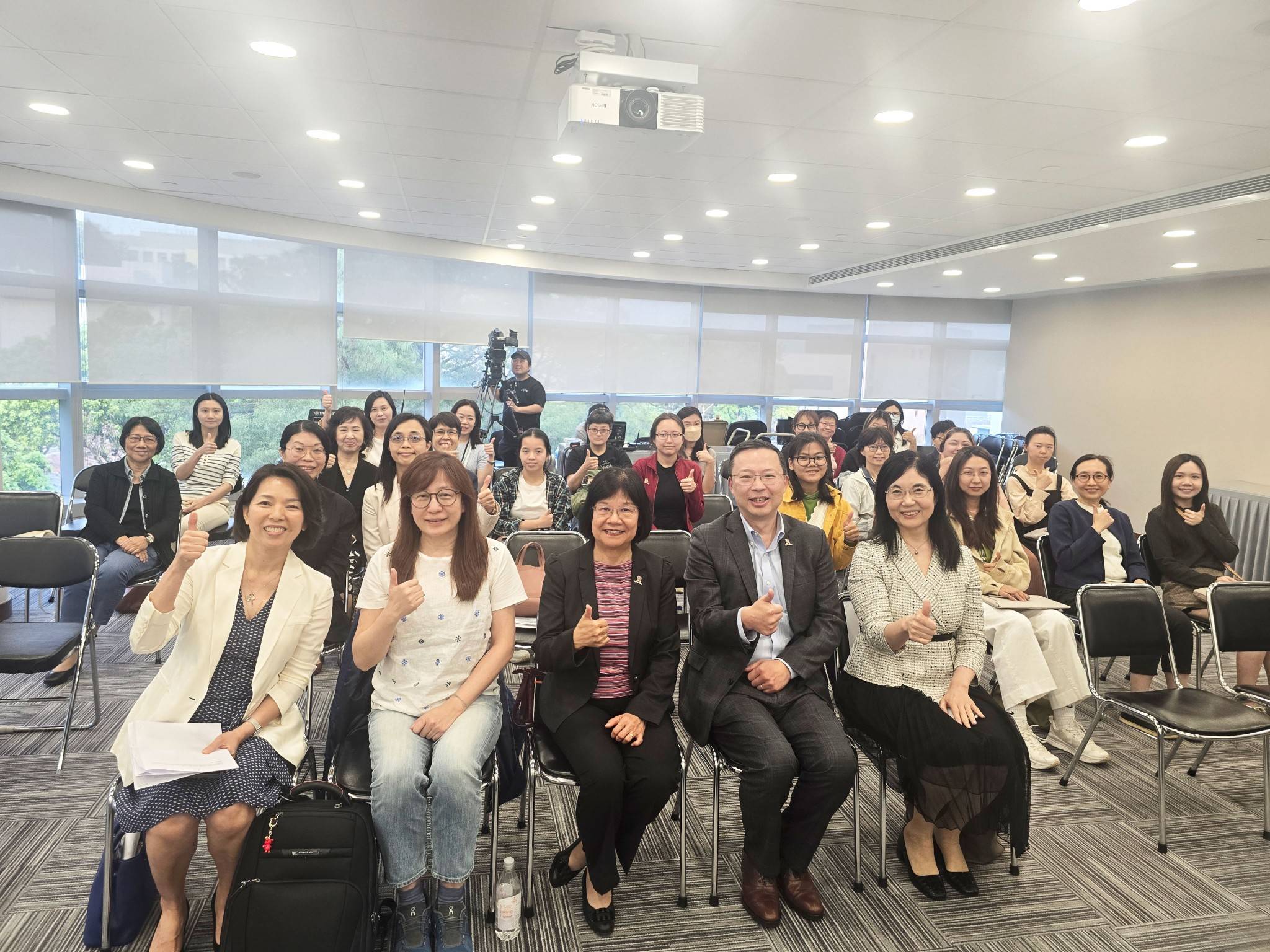
Over 50 CUHK academic staff members attended the luncheon for International Women’s Day 2025, in support of the Women Academics Support Network.
At a time when global movement for gender equality is gathering pace, The Chinese University of Hong Kong (CUHK) prides itself on being a proactive institution committed to empowering women and fostering inclusiveness. Through targeted initiatives, research-driven policies, and community engagement, CUHK is addressing challenges faced by women both in and beyond academia.
Building mentorship support
At CUHK, the pursuit of gender equality is not just a policy but a commitment. A Women Academics Sub-Committee was set up to empower female faculty and promote a supportive workplace for their professional and personal development.
‘CUHK recognizes the unique challenges faced by women in academia, including the demanding career progression path for professorships, intense competition for grants, thesis supervision, teaching loads, as well as family duties for working mothers,’ says Professor Sham Mai-har, Pro-Vice-Chancellor and Vice-President (Research), co-chair of the Sub-Committee.
According to the Academia Gender Equality and Leadership Survey 2025 led by Professor Susanne Choi Yuk-ping of the Department of Sociology, a member of the Sub-Committee, 62% of the 182 female faculty respondents believed that men and women have equal opportunities for tenured associate professorship at CUHK. Over 80% of respondents agreed that opportunities for PhD studentships, postdoctoral fellowships, and lectureships are gender-equal.
The Women Academics Sub-Committee organized a themed seminar ‘Women in Leadership: Creating Impact and Sustaining Influence’ in April 2025. The event featured (from left, front row) Professor Susanne Choi (moderator), Professor Barbara Chan Pui, Professor Sham Mai-har, Professor Anthony Chan and Professor Yu Jun.
The Women Academics Support Network was set up under the Sub-Committee to foster a supportive environment where women academics can thrive.
The Network had 38 advisors and 46 advisees in the academic year 2024-2025. It promotes professional and social interactions among female academics on Professoriate, Lecturer and Postdoctoral Fellowship ranks, and assists them in the pursuit of their goals through mentoring by senior professors as the advisors. The advisees have benefitted from the academic leadership of their advisors in terms of advancing their mindset, network and career progression.
‘Diversity is important because it leads to more effective outcomes in organisations,’ Professor Sham explains. CUHK is applying this insight to its own academic leadership, encouraging more women to take on senior management roles and bring their particular leadership styles to the table.
The Women Academics Support Network hosts annual International Women’s Day celebrations which feature themed leadership seminars. It also organizes networking lunches that connect senior advisors of both genders with junior faculty and newly joined women academics. These events foster mutual understanding. The advisors gain insights into the challenges faced by early-career scholars across disciplines, while the advisees receive valuable guidance in areas such as grant writing and career planning. Through these shared experiences, women realize they are not alone in their struggles.
‘The resulting sense of community builds resilience and confidence, which are key ingredients for success in academia,’ Professor Sham emphasizes.
Professor Choi, who is also the Co-Director of the Gender Research Centre at CUHK, agreed that the mentorship support network was a valuable initiative. ‘It provides junior colleagues with access to senior members of the university beyond their own department and faculty, offering an alternative avenue to seek advice on issues ranging from balancing work and family responsibilities to preparing an academic profile that will increase their chances of securing tenure and promotion––particularly from assistant professorship to associate professorship,’ she notes.
Ensuring diverse representation in decision-making bodies is crucial to creating inclusive policies that reflect the experiences of all staff members, she says. ‘I believe the way forward is to identify the implicit gender biases in recruitment and promotion , and develop educational strategies to address and change them,’ says Professor Choi.
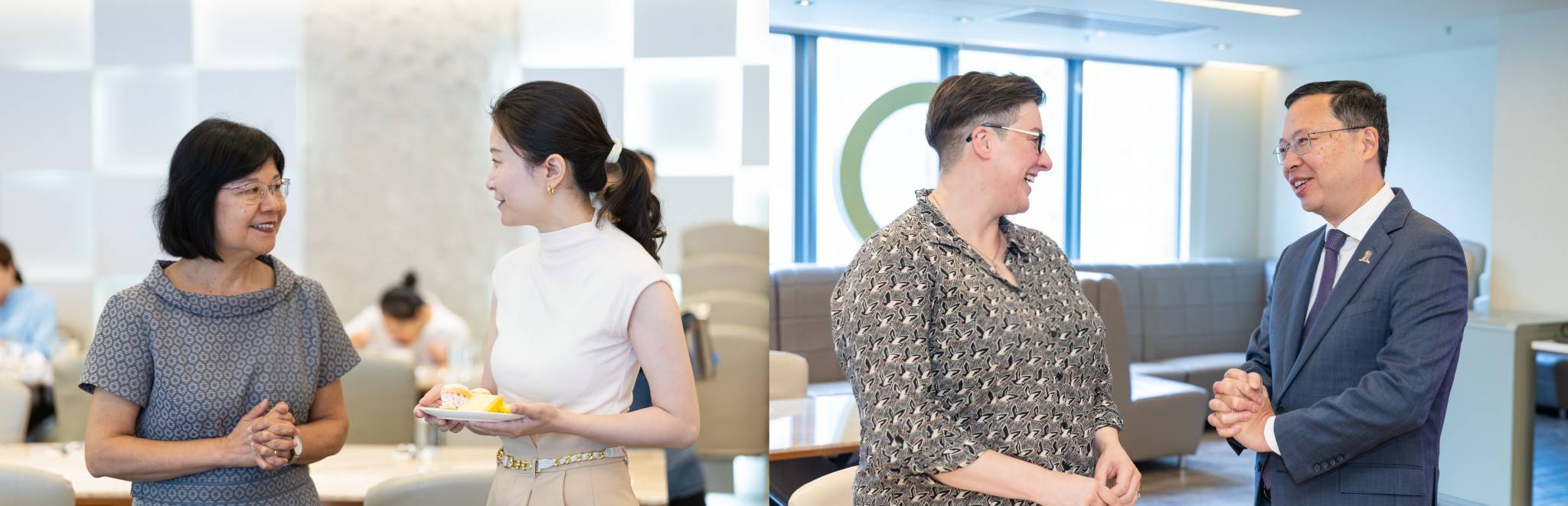
The Women Academics Support Network organizes networking lunches to connect senior advisors with junior faculty and newly joined women academics.
Working within the system
Women scholars at CUHK have also made an effort to empower their peers in the wider society. Professor Choi herself served as a board member of the Hong Kong SAR government’s Equal Opportunities Commission (EOC) between 2015 and 2021. She was convenor both of the EOC’s Policy, Training and Research Division, and of its Working Group Against Sexual Harassment.
‘This was a very valuable experience, as I was given the support to revamp the research directions of EOC projects from fact-finding to problem solving based on best-case comparisons. I also oversaw a survey on sexual harassment that covered nine universities in Hong Kong, as well as a territory-wide telephone survey on sexual harassment,’ says Professor Choi.
During her term at the EOC, Professor Choi also led the establishment of the Equal Opportunity Employer Recognition Scheme, which advocates for gender equality. ‘I believe the recognition scheme has changed the EOC’s strategy in its relationship with the private sector, shifting from a stick to a carrot approach,’ she shares. ‘Before the scheme was introduced, the private sector was hesitant to work with the EOC, as companies feared this might suggest they had fallen short in some practices and were being held accountable. The scheme, however, sought to shift this perception by highlighting that the EOC also recognizes and rewards good practices.’
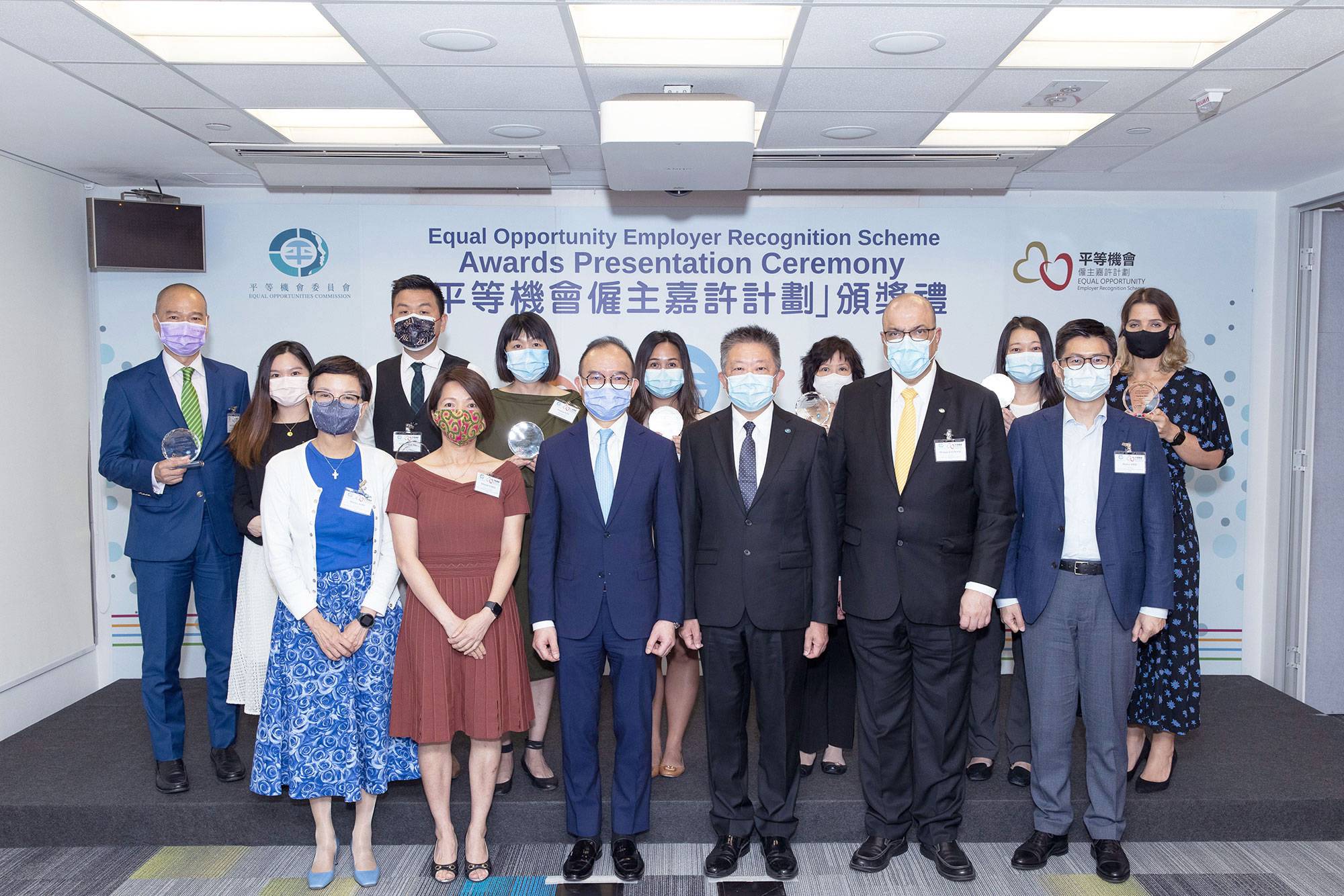
Professor Choi (second from left, front) attended the first Award Presentation Ceremony of the Equal Opportunity Employer Recognition Scheme in 2021
Reaching out to women in the community
One example is the award-winning Women’s Empowerment through Financial Literacy (WEFL) Programme led by Professor Lynne Nakano of the Department of Japanese Studies and the co-Director of the Gender Research Centre.
Based on her research on single women in East Asia, Professor Nakano identified a troubling trend: many women enter middle age with insufficient savings and insecure housing due to limited financial literacy and interrupted careers caused by caregiving responsibilities.
‘The WEFL Programme was launched in 2022 to close the gender gap in financial literacy. I am grateful for the support from CUHK’s Faculty of Arts and Department of Japanese Studies, and the Gender Research Centre,’ says Professor Nakano.
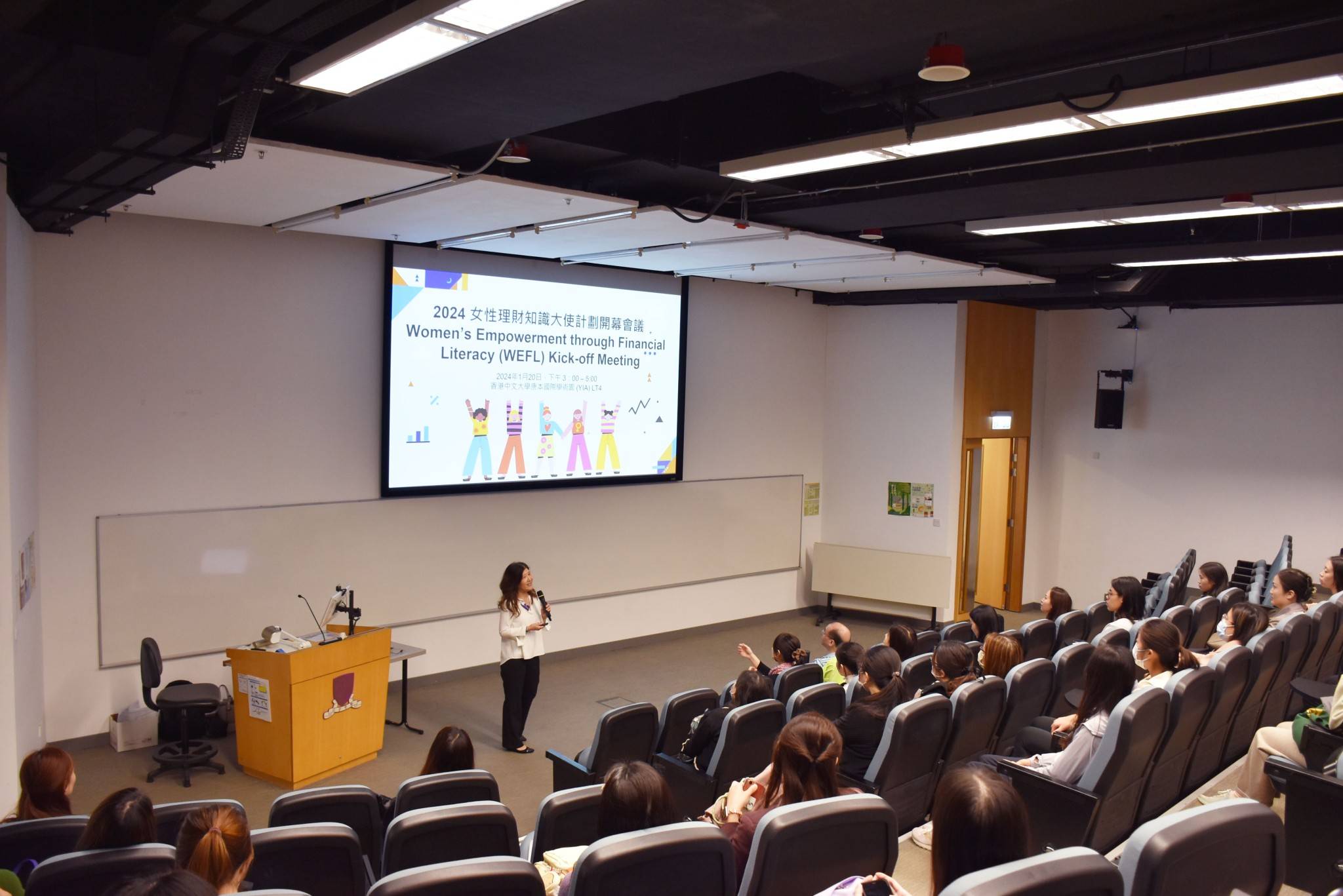
Professor Nakano spoke at the kick-off meeting of the WEFL Programme in 2024.
To date, it has provided 54 hours of training to 584 women in Hong Kong and has expanded to Osaka in collaboration with the local YWCA in 2025.
The programme partners with NGOs, including the Hong Kong Federation of Women’s Centres and the Hong Kong YWCA, to serve young single women, migrant domestic workers and ethnic minority students. ‘Participants learn essential skills in budgeting, saving, asset monitoring, and long-term financial planning. They are also encouraged to reflect on their values and life goals. This holistic approach empowers women to take control of their lives and care for themselves with confidence,’ explains Professor Nakano.
Evaluations using indicators developed by the Organisation for Economic Co-operation and Development show significant improvements in both knowledge and behaviour of participants, but WEFL goes beyond numbers. It introduces ‘ambassadors’, who are graduates of the programme who share their knowledge with other women, creating a multiplier effect.
In March 2025, the WEFL Programme received the Investment and Financial Education Award 2024 from the Investor and Financial Education Council in Hong Kong, recognising its transformative impact on women’s lives and its contribution to economic growth through financial empowerment.
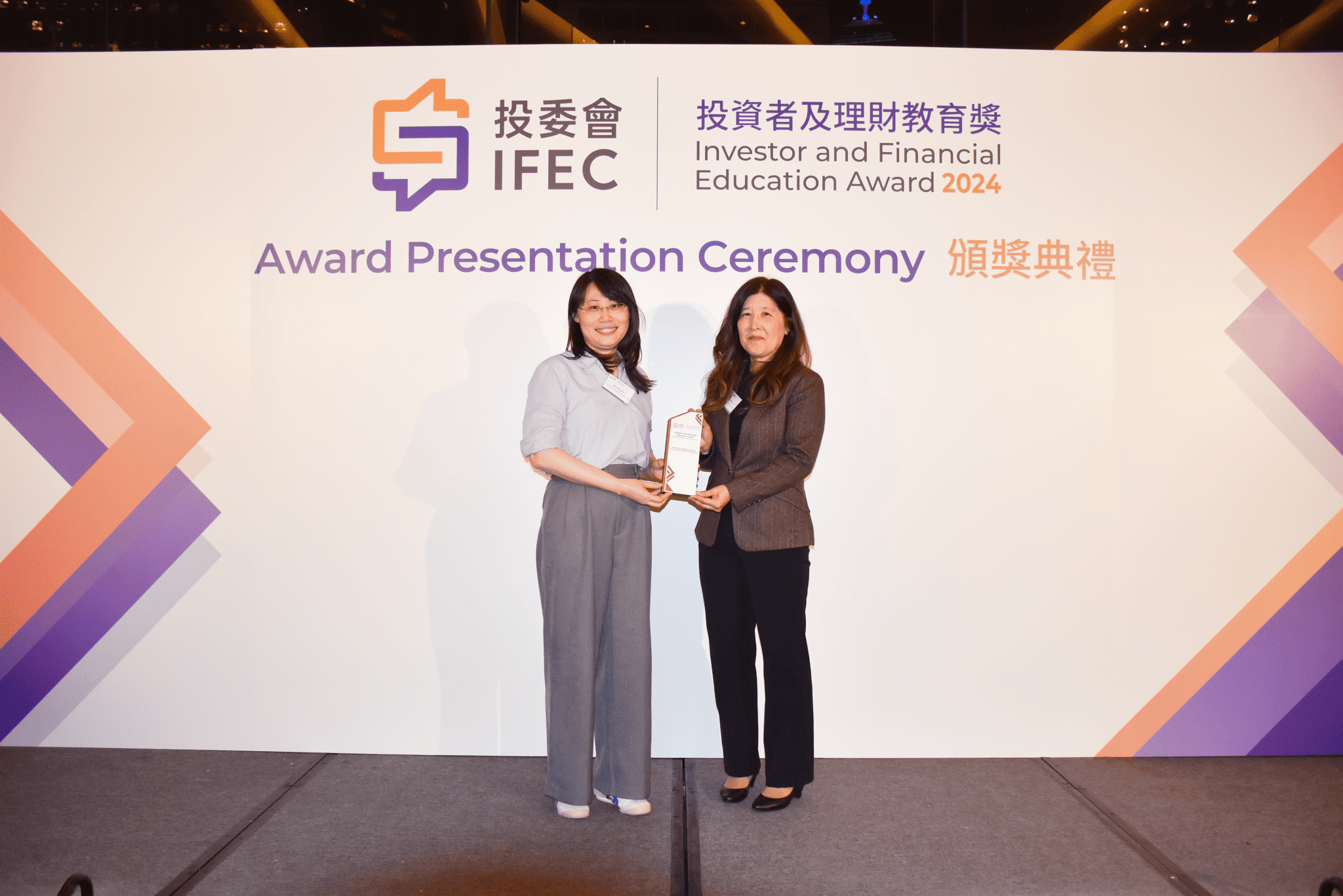
Professor Nakano (right) and her team, including Dr Fu Liping (left), received the Investment and Financial Education Award in the category of public and professional bodies and NGOs with the WEFL Programme in March 2025.
CUHK’s initiatives demonstrate a multifaceted commitment to women’s empowerment. Addressing structural barriers in academia, promoting inclusive leadership and equipping women with financial literacy are all interconnected strategies that drive meaningful societal change. Through sustained commitment and innovative programs, CUHK is actively contributing to quality education and gender equality. It not only empowers women within the university, but also influences broader societal attitudes, thereby ultimately working towards a more equitable and inclusive future for all.
Eva Choy is an editor in the Communications and Public Relations Office, The Chinese University of Hong Kong.