Curriculum
73 related courses were offered in the 2024-25 academic year.
Policies
According to the University’s Sustainable Procurement Policy and Guidelines, the acquisition of black moss is expressly forbidden. Furthermore, its inclusion in any dishes served at campus eateries or during events sponsored by or connected with the University is strictly prohibited. The University has developed the Tree Preservation Policy to strike a practical and attainable balance between preserving trees and developing campus infrastructure. Detailed Tree Preservation Guidelines have been established to ensure the successful implementation of the policy.
Research
‘The EarthBioGenome Project Hong Kong: Butterflies and the Next Generation of Scientists’ is a research project coordinated by Professor Jerome Hui Ho-lam from the School of Life Sciences in the Faculty of Science at CUHK. The project has received funding of HK$7.9 million from the 2024/25 Research Impact Fund (RIF) by the Research Grants Council (RGC), and will be conducted in collaboration with the Agriculture, Fisheries and Conservation Department, the Fung Yuen Butterfly Reserve and 7 local universities. The project team will study the genomes of over 100 butterfly species in Hong Kong, in order to create a comprehensive knowledge base. They will also train future scientists through innovative methods that have not been used locally before, including a 3-year butterfly monitoring project with secondary schools. The project will enhance our understanding of butterfly diversity under climate change and contribute to the development of the next generation of scientists.
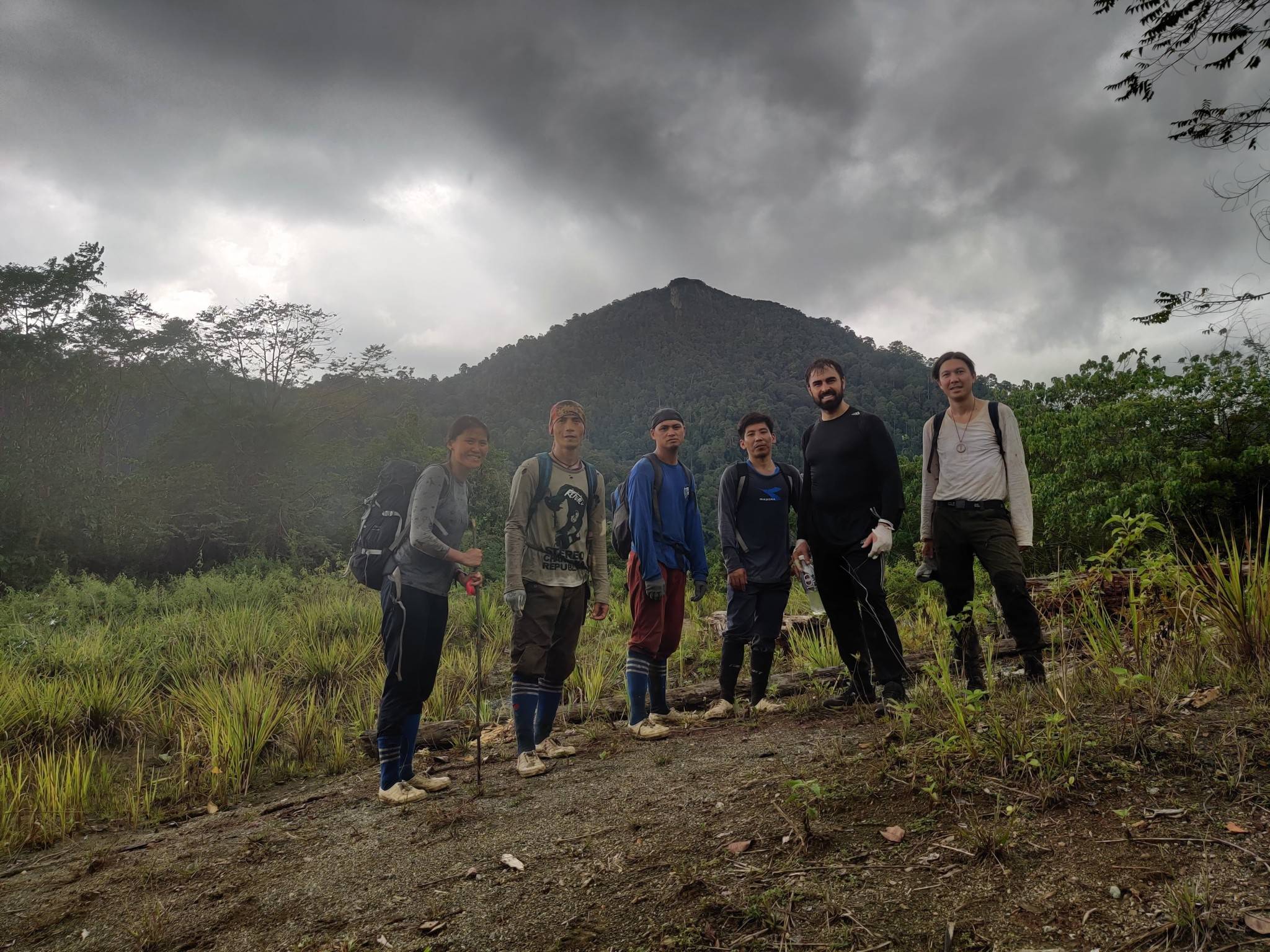
A research team led by Professor Amos Tai and Dr Ali Ismaeel from CUHK’s Earth and Environmental Sciences Programme, and Professor Eduardo Maeda from The University of Helsinki, has conducted an important study which sheds light on the vital influence of temperature in shaping biodiversity patterns. The team discovered that understory temperatures in tropical forests can be significantly cooler than open-air temperatures, providing important clues for better understanding species adaptation and informing conservation strategies to combat climate change. This pioneering study sheds new light on the mysteries of microclimates in tropical forests, and provides important new insights for ecologists and policymakers dealing with climate change.
A herbarium at your fingertips
The Shiu-Ying Hu Herbarium of CUHK’s School of Life Sciences has established an innovative 3D database of plant specimens. Using a combination of plant taxonomy and photogrammetry approaches, the Virtual Carpological Herbarium of Fruits and Seeds has produced more than 500 3D models of local species, providing a valuable reference for native plant identification, ecological surveys, and the conservation of rare and endangered species.
The models can be rotated 360° and magnified to high resolutions, allowing users to inspect minute features such as the textures of leaves and seeds. The database is available online, and no additional software is required. The research methodology and results have been published in the prestigious scientific journal PLOS ONE.
Educational programme on land ecosystems
CUHK is home to numerous plant and animal species, and its campus offers a good illustration of how artificial habitats can serve as wildlife habitats in urban areas. This valuable lesson is promoted by ‘Experiencing Urban Biodiversity @Lake Ad Excellentiam’, a community project co-organized by the Social Responsibility and Sustainable Development Office (SRSDO) and the Jockey Club Museum of Climate Change (MoCC) and subvented by the Agriculture, Fisheries and Conservation Department. The project promotes nature exploration and appreciation of local urban biodiversity. Through a virtual learning portal and a series of workshops and outdoor activities around Lake Ad Excellentiam at CUHK, participants can explore and connect with nature while learning about the importance of biodiversity conservation.
To mark National Ecology Day on August 15, CUHK launched its first ‘CUHK Ecology Month’ in August 2025 to raise public awareness of ecological civilization, environmental protection and the promotion of nature conservation efforts. The SRSDO collaborated with various CUHK units, including MoCC, School of Life Sciences, Institute of Environment, Energy and Sustainability, and SDSN Hong Kong, which is co-hosted by CUHK and the Hong Kong Jockey Club Charities Trust, to organize a series of activities, including eco-tours, themed lectures and an exhibition, to foster a collective focus on ecological conservation and encourage actions to protect the environment. The event covered a range of topics, including climate change, plant and marine biodiversity, mushroom ecology, Biogenome science and ‘Leave No Trace’.