Curriculum
138 related courses were offered in the 2024–25 academic year.
Policies
The University is dedicated to advancing equal opportunities in its admissions policy. Admissions decisions at the University are merit-based, utilizing consistent selection criteria to identify students with the academic capabilities and drive to excel in their chosen programmes. CUHK, as a compassionate institution, aims to cultivate a positive learning atmosphere for all students and resolutely provides equitable academic opportunities for students with disabilities, adhering to the stipulations of the Disability Discrimination Ordinance and the Code of Practice on Education.
CUHK is an equal opportunities employer. We champion equality, inclusivity and diversity, and seek to uphold the highest ethical standards. Through its Diversity and Inclusion Policy, the University values individual distinctions and endeavours to ensure equitable treatment of individuals and groups, rejecting all forms of discrimination. Upholding the core tenets of human rights and equal opportunities, CUHK exercises diligence in evaluating outsourcing proposals. Its Outsourcing Policy prohibits the engagement of contractors who engage in discriminatory hiring or employment practices.
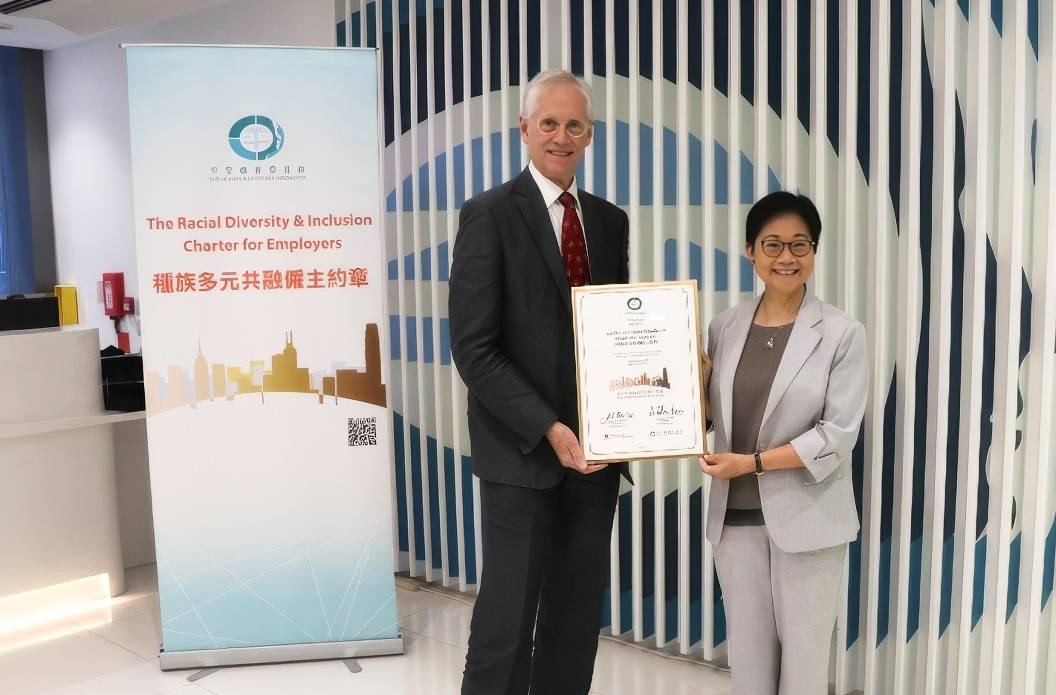
In June 2024, CUHK reaffirmed its commitment to racial diversity and inclusion by joining the Racial Diversity & Inclusion Charter for Employers, initiated by the Equal Opportunities Commission. This move underscores the University’s efforts to promote a welcoming and respectful campus environment. CUHK aims to embed diversity and inclusion into all aspects of its operations, fostering an inclusive culture and maintaining a supportive working environment. In November 2024, the University introduced its Procedural Guidelines on Handling Requests for Use of Facilities, aimed at equipping Facilities Managers to make informed, fair and transparent decisions regarding the use of campus facilities. The guidelines are expected to further promote the ideals of accessibility, inclusivity, and respect for diversity within the CUHK community.
Research
In 2025, the Hong Kong Institute of Asia-Pacific Studies (HKIAPS) at CUHK conducted a survey to gauge public views on social mobility in Hong Kong. Around 59% of respondents believed that there were too few opportunities for upward social mobility for local young people, and nearly half expected those opportunities to worsen in the next 10 years or more. The survey serves as a continuation of themed research surveys conducted annually since 2022, tracking changes in public views over time and assessing whether these shifts are statistically significant. The findings underscore the need for targeted policies and initiatives to support youth development and address social inequalities, emphasizing the importance of creating a more inclusive and supportive environment for young people in Hong Kong.
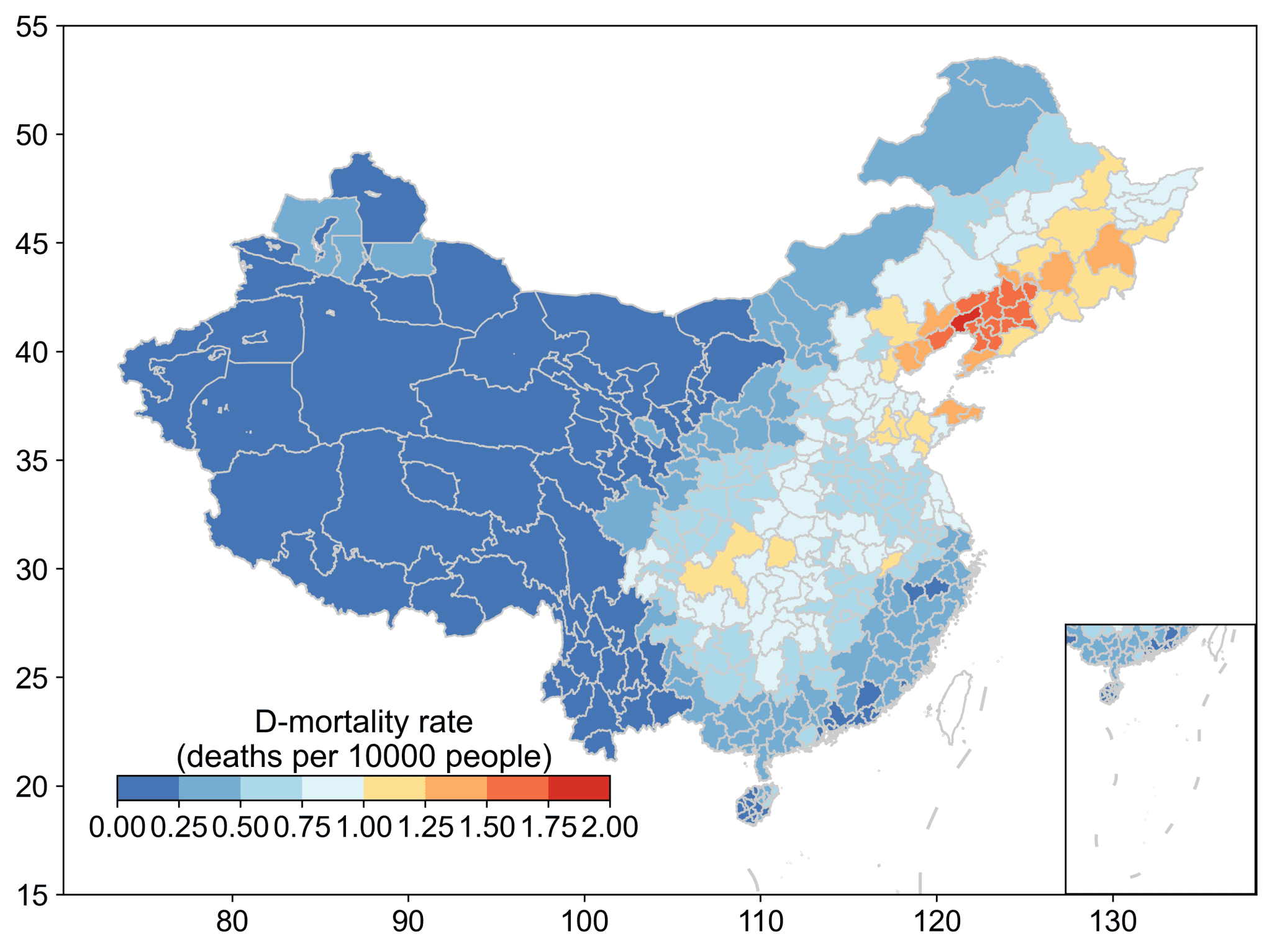
A pioneering air quality study, conducted by the Department of Earth and Environmental Sciences (EES) and the Institute of Space and Earth Information Science (ISEIS), revealed for the first time that the mortality rate due to air pollution arising from national dietary changes is twice as high among people in agricultural areas of mainland China as in the more developed coastal regions. This disparity stems from the shift of dietary habits from plant-based to meat-intensive diets in China, particularly among residents of the developed coastal areas. This has resulted in a significant increase in the rearing of cows, pigs and other livestock for eventual consumption, and has intensified the uneven distribution of air pollution. The study also found that the mortality rate was particularly high in the northeastern regions, where agricultural activities were the most intensive. These findings highlight the growing health and environmental inequity between the developed coastal areas and poorer agricultural areas in mainland China, underscoring the important role of food system transformation in addressing SDGs related to hunger, climate action and reduced inequality.
Advocating health equity for ethnically-diverse community
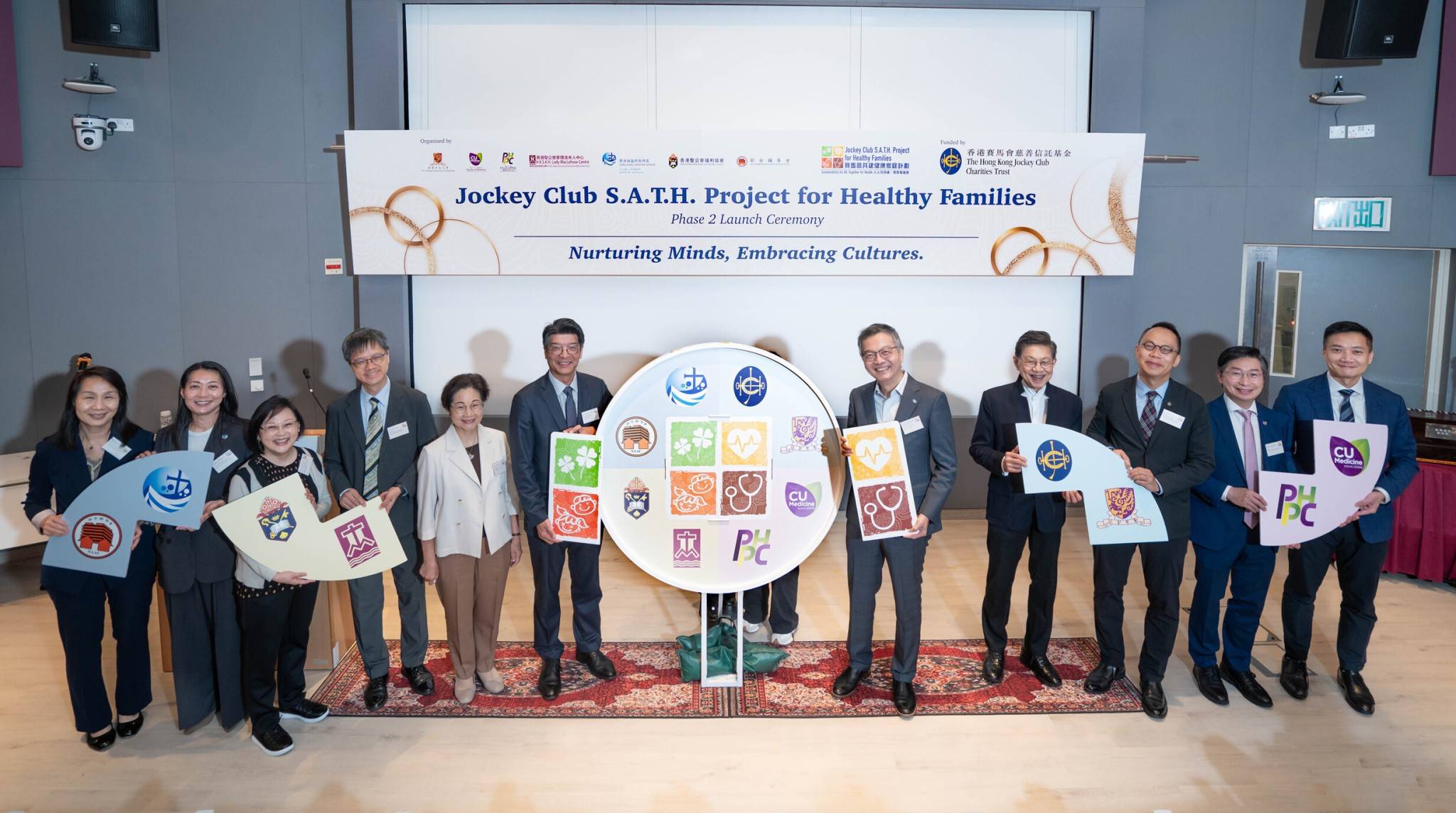
Individuals from ethnic minorities often face discrimination in their daily lives. In October 2021, the Faculty of Medicine’s Jockey Club School of Public Health and Primary Care launched the Jockey Club ‘Sustainability for All, Together for Health (S.A.T.H.)’ Project for Healthy Families (JCSATH) to provide culturally appropriate health information for ethnically-diverse community in Hong Kong, and to enhance their health management. In June 2025, the project officially entered its second phase, a 3-year plan to expand the existing services for physical well-being and introduce new mental health initiatives tailored to Hong Kong’s ethnically-diverse communities, in partnership with 4 non-governmental organizations. As of July 2025, JCSATH has screened over 400 South Asian families and over 1,907 South Asian adults have joined the programme for health assessments and surveys.
Fostering understanding of the deaf community
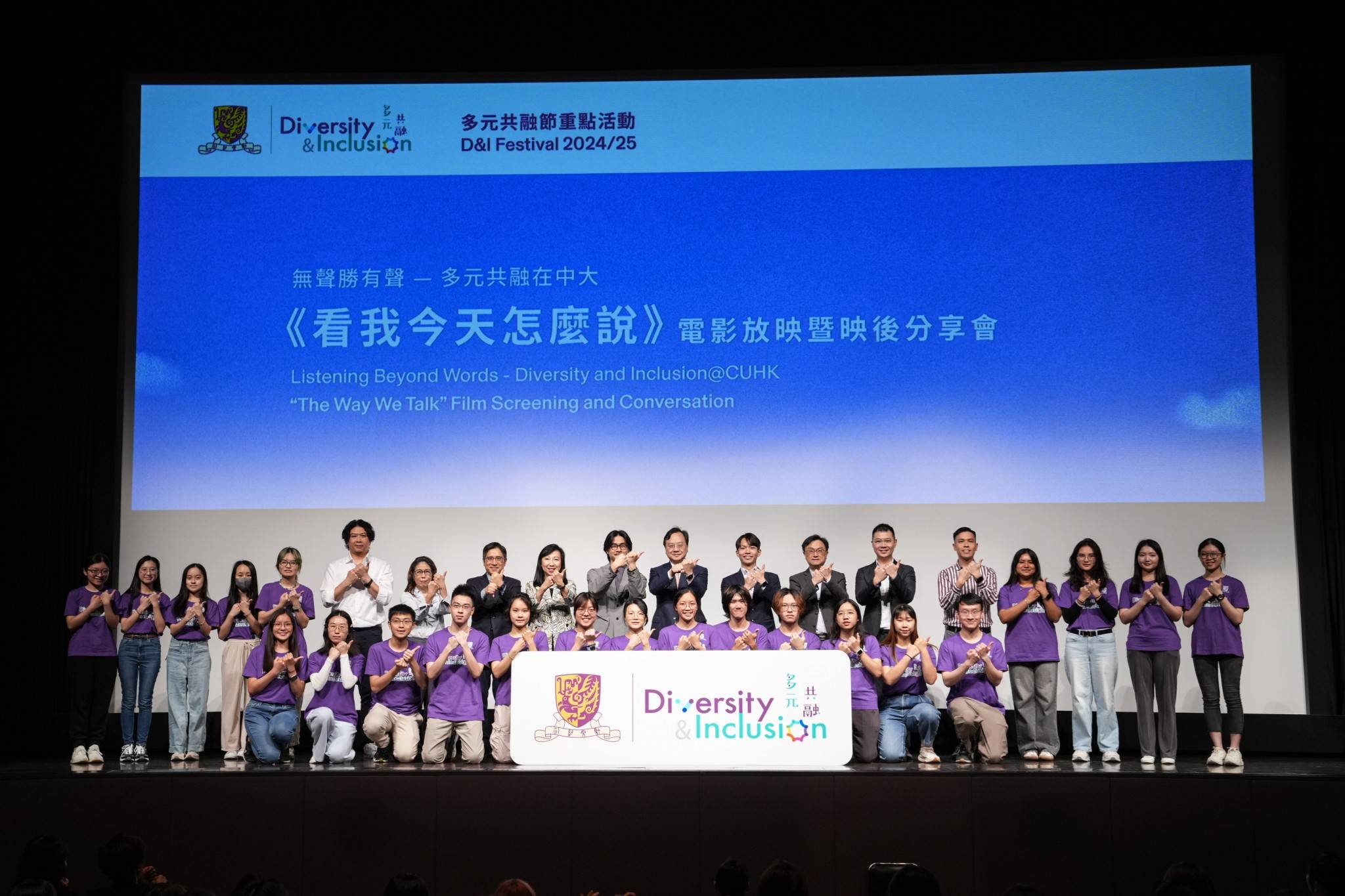
As part of the Diversity & Inclusion Festival 2024/25, CUHK hosted ‘The Way We Talk’ Film Screening and Conversation, with nearly 1000 participants. With scenes filmed on CUHK campus, the film explores sign language and deaf identity through lives and growth of three young deaf individuals in Hong Kong. The event aimed to enhance understanding of deaf culture and identity, encouraging attendees to reflect on how collective effort can build a more inclusive community. A post-screening dialogue followed, with Professor Gladys Tang, Director of Centre for Sign Linguistics and Deaf Studies at CUHK, acting as the moderator. The film director, along with the leading actor and actress, shared behind-the-scenes insights and perspectives on deaf culture and community, showcasing CUHK’s continual efforts on driving meaningful conversations on campus that encourage positive social change.